Fluid analysis / San Diego, California
Know your fluid.
Understand
your equipment.
Oil and hydraulic-fluid testing for teams investigating contamination, wear and lubricant condition. Start with the question your equipment needs answered.
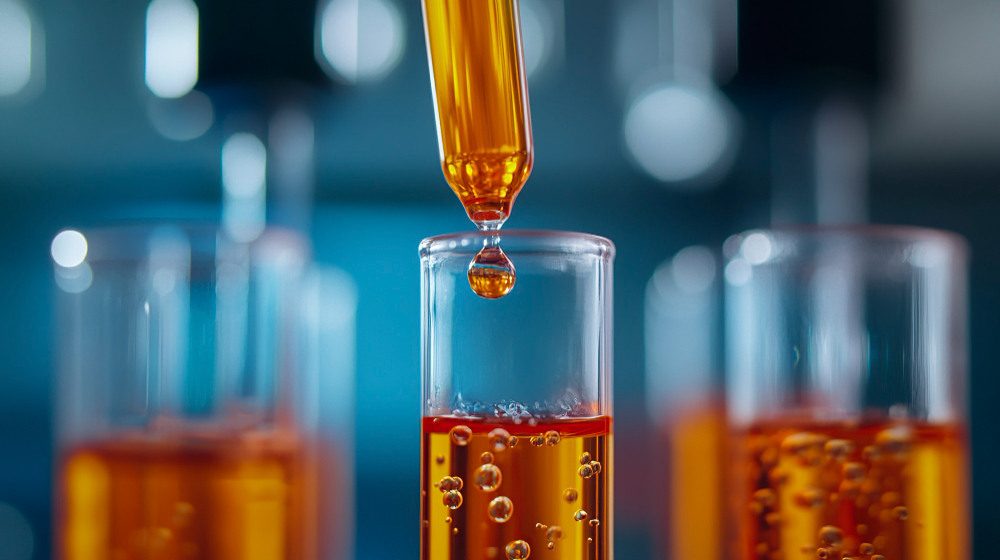
start with a sample.
01 / Laboratory testing
Find the test for
your next decision.
Choose a specific test or tell us what changed in your equipment. URS can discuss a suitable scope before you send a sample.
Particle Count Analysis ↗
Understand particulate contamination in hydraulic systems and lubricating fluids.
Explore this service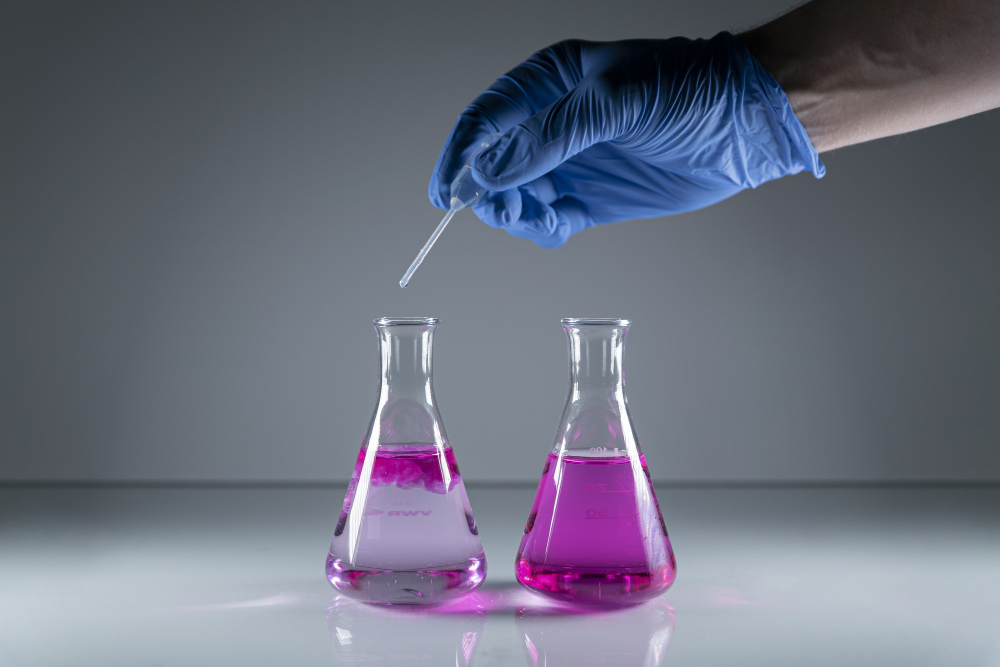
Water Contamination Testing ↗
Measure water content when appearance alone cannot answer the question.
Explore this service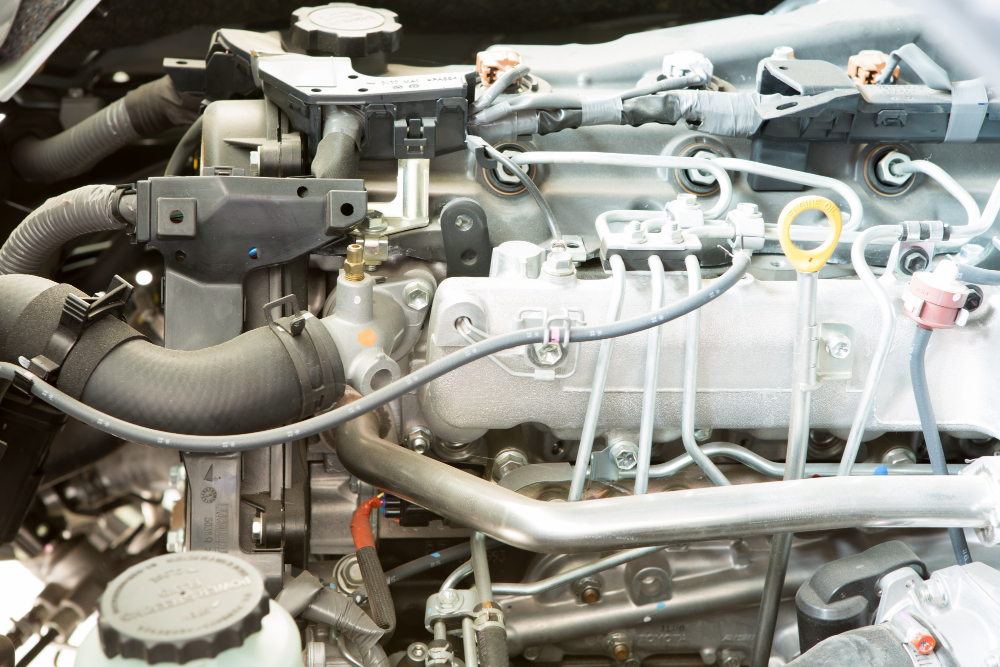
Oil Condition & Wear Analysis ↗
Investigate wear metals and changes in lubricant condition.
Explore this service
Viscosity & Density Testing ↗
Compare fluid properties with your application and specifications.
Explore this service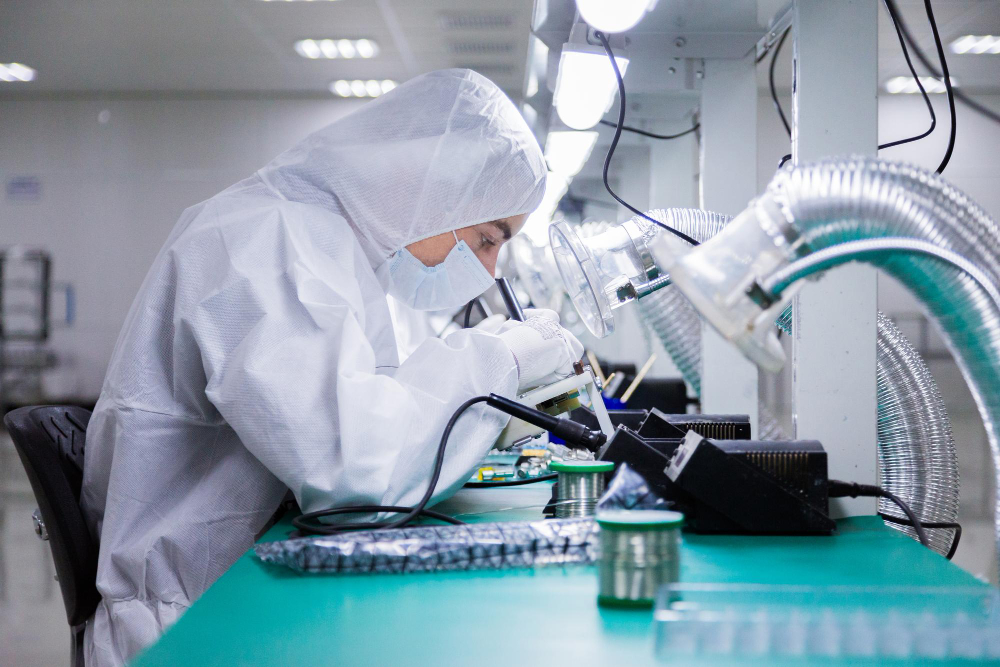
Flashpoint Testing ↗
Discuss fluid volatility and suspected contamination.
Explore this service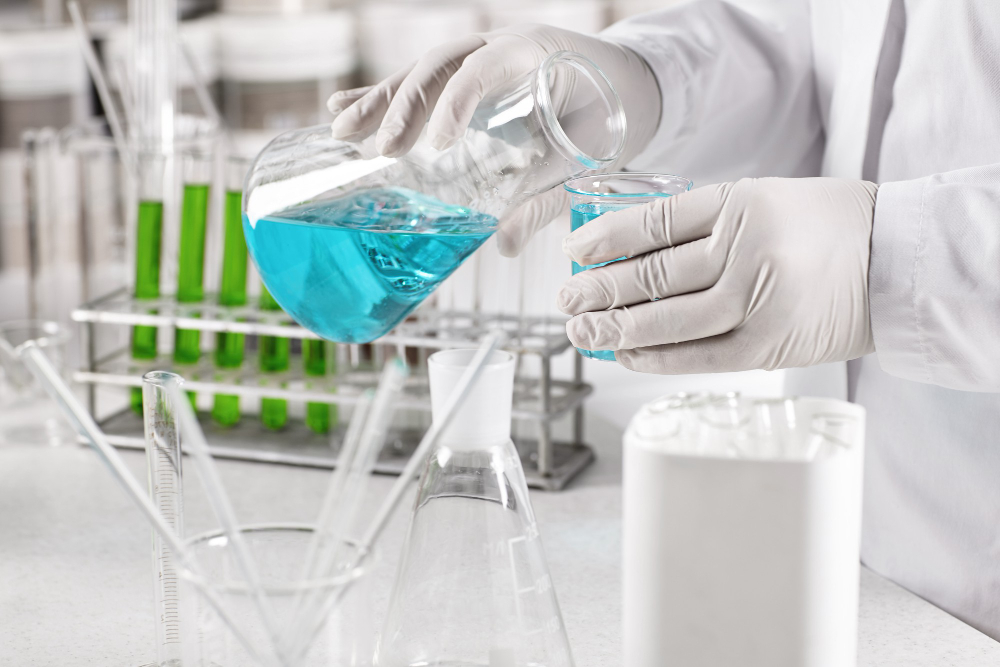
TAN / TBN Analysis ↗
Review acidity and alkalinity as part of lubricant condition assessment.
Explore this service02 / Instrument rentals
Your analysis.
Your rental period.
Rent an automated particle analyzer or automated pore-blockage particle analyzer. Share the instrument type, application and period you need.
Explore instrument rentals ↗Pricing is based on rental duration.
Availability and terms are confirmed with your quote.
03 / A useful starting point
The sample is only
part of the story.
Equipment history and the reason for testing make your request more useful. Bring the operating context along with the fluid.
- 01
Tell us what changed.
Share your equipment, lubricant, symptoms, operating hours and any earlier test reports.
- 02
Agree the right scope.
Confirm the tests, sample requirements, delivery instructions and reporting deadline with the lab.
- 03
Review the result in context.
Consider laboratory data alongside equipment guidance, inspections and your maintenance history.
From the lab to the maintenance team
For the systems
you depend on.
Discuss testing for hydraulic systems, marine equipment, heavy machinery, fleet operations and manufacturing applications.
A particle count answers a different question from a wear-metal result. Water content, viscosity, flashpoint and TAN/TBN can each add context. The useful combination depends on your fluid and the issue you are investigating.
Discuss your application ↗04 / Practical reading
Make a more useful
testing request.
Understanding particle count results ↗
Read about fluid cleanliness and the questions to discuss with the lab.
Testing guidePlanning hydraulic-fluid testing ↗
Understand the testing questions to discuss with the laboratory.
Oil analysis guideReading a wear-metal report ↗
Put laboratory findings in the context of your equipment and maintenance.
Start a conversation
What do you need
to understand?
Tell URS about your fluid, equipment and the decision you need to make. For urgent requests, confirm availability and timing before arranging sample delivery.
United Regulatory Services6197 Cornerstone Court E, Suite 102
San Diego, CA 92121
URS will use these details to respond to your enquiry. Testing scope, rental terms and turnaround are confirmed with the team.
Before you enquire
A few useful answers.
Which test should I choose?
Start with the fluid, equipment and the concern. Particle contamination, wear metals, water and changes in viscosity are different questions. URS can discuss a scope that fits your request.
Can I request urgent testing?
Discuss your required deadline, sample location and test scope directly with URS. Availability, sample receipt and reporting timing need confirmation before you rely on a deadline.
What is the minimum instrument rental period?
The current offer has a one-month minimum. Pricing depends on rental duration. Availability and full terms are confirmed with your quote.
Where can I check laboratory accreditation?
Ask URS for current accreditation evidence and the scope relevant to your requested test.